






Understanding Postpartum Depression
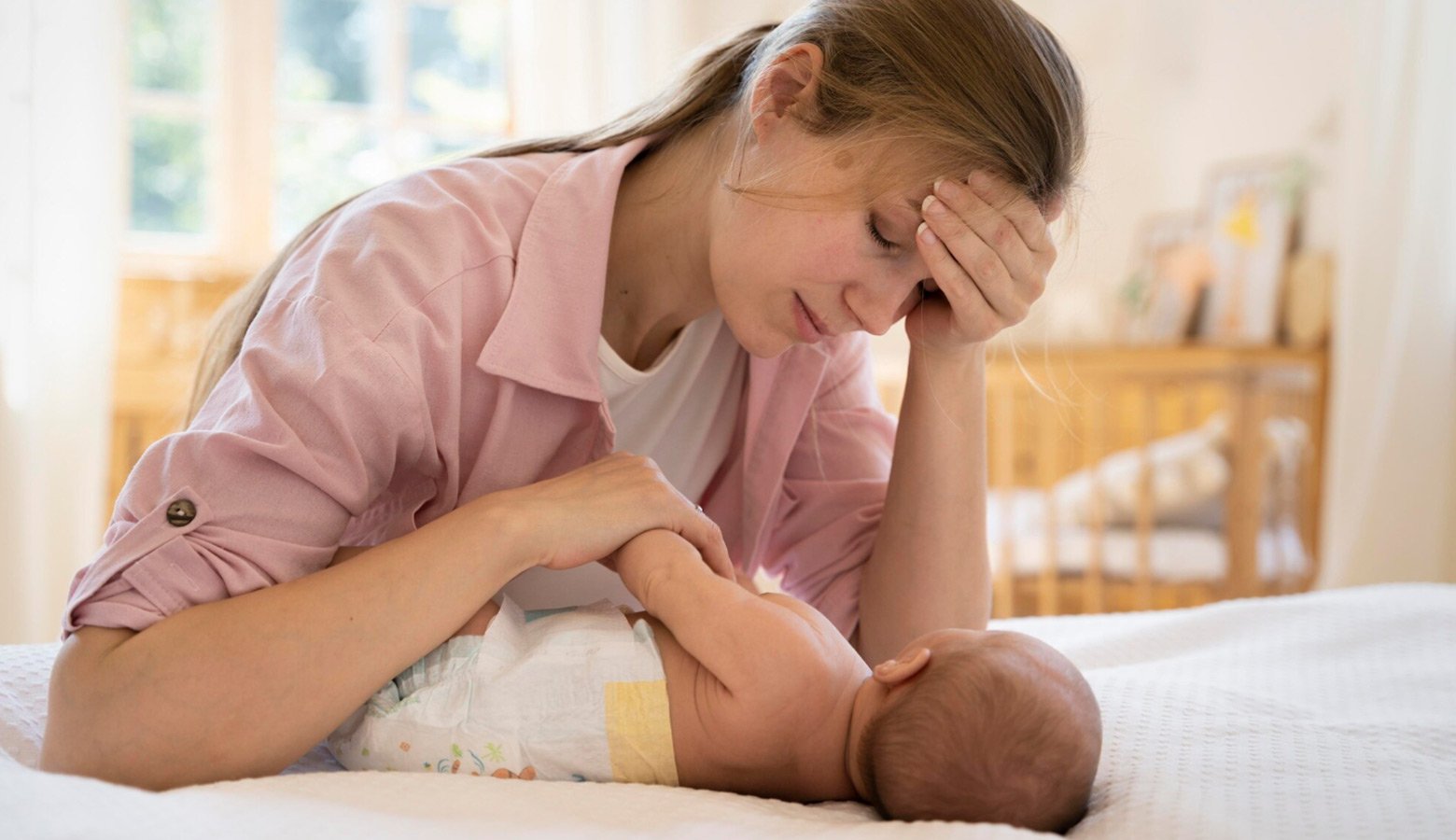
Postpartum Depression (PPD) is a mood disorder that can develop in some women following childbirth. It is marked by ongoing and intense feelings of sadness, anxiety, and hopelessness, often accompanied by physical and cognitive symptoms. PPD can significantly impact a person’s ability to care for themselves and their baby, making timely recognition and intervention essential.
Potential Causes of Postpartum Depression
The development of PPD is complex and typically involves a combination of factors:
Hormonal Shifts: After delivery, levels of hormones drop rapidly, which affects mood.
Emotional and Psychological Factors: A personal history of depression or anxiety, high stress levels, or limited social support can increase vulnerability to PPD.
Genetic Factors: Individuals with a family history of mood disorders may be at higher risk. The physical, emotional, and hormonal demands of pregnancy, childbirth, and caring for a newborn can be overwhelming, often contributing to the development of postpartum depression (PPD).
Physical and Emotional Stress: The demands of pregnancy, childbirth, and
caring for a newborn can be overwhelming and contribute to the onset of PPD.
Sleep Disruption: New parents often experience significant sleep deprivation, which can worsen mood symptoms.
Adjustment to Parenthood: Adapting to new roles and routines can be challenging and may lead to emotional distress.
It is essential to recognize that PPD is a real medical condition and not a sign of personal weakness or failure.
Symptoms of Postpartum Depression
We provide compassionate, personalized therapy tailored to your unique journey. No matter where you’re starting from, we fully support you at your own pace helping you find clarity, healing, and strength through proven techniques and genuine understanding.
- Persistent sadness or frequent crying spells
- Irritability, mood swings, or restlessness
- Episodes of anger or frustration
- Physical symptoms, including headaches, muscle pain, or digestive issues
- Disruptions in regular sleep, such as struggling to fall or stay asleep, staying asleep, or sleeping excessively
- loss of interest in previously enjoyable activities
- Withdrawal from family and friends
- Difficulty bonding with the baby
- Significant changes in appetite or eating habits
- Doubts about the ability to care for the baby
- Trouble concentrating, remembering details, or making decisions
In rare instances, severe symptoms like thoughts of self-harm or harming the baby may arise, signaling postpartum psychosis, which requires surgent medical attention.
Treatment Approaches for Postpartum Depression
Managing PPD often involves a combination of psychotherapy and medication. Talk therapy can provide support and coping strategies, while antidepressant medications may help regulate mood. It is important to consider medication safety, especially for those who are breastfeeding, and to tailor treatment to each individual’s needs. Early identification and comprehensive care are key to recovery and supporting individuals in their recovery.
Schedule an Appointment for Postpartum Depression by calling 972-366-5705 or Click to get Appointment